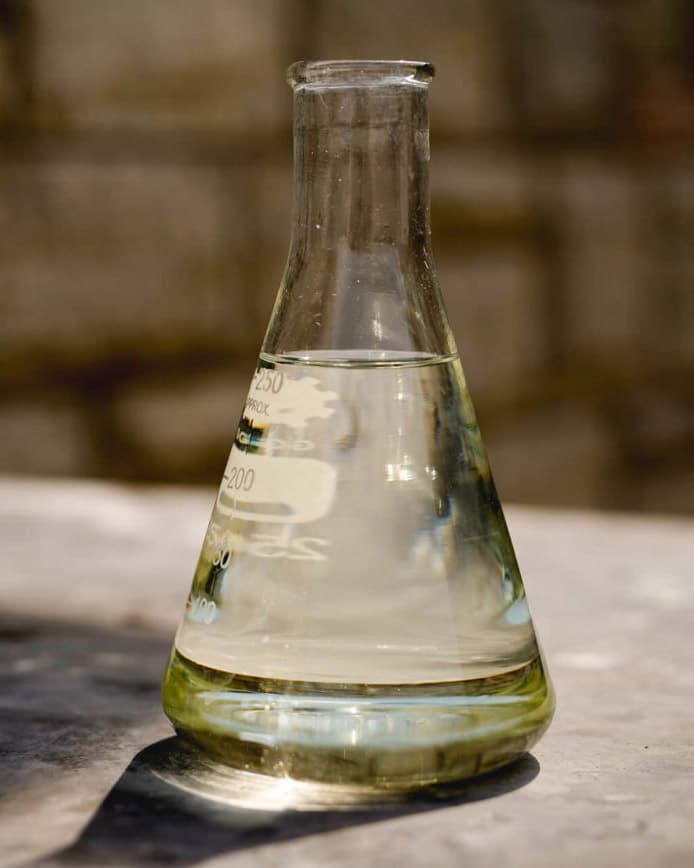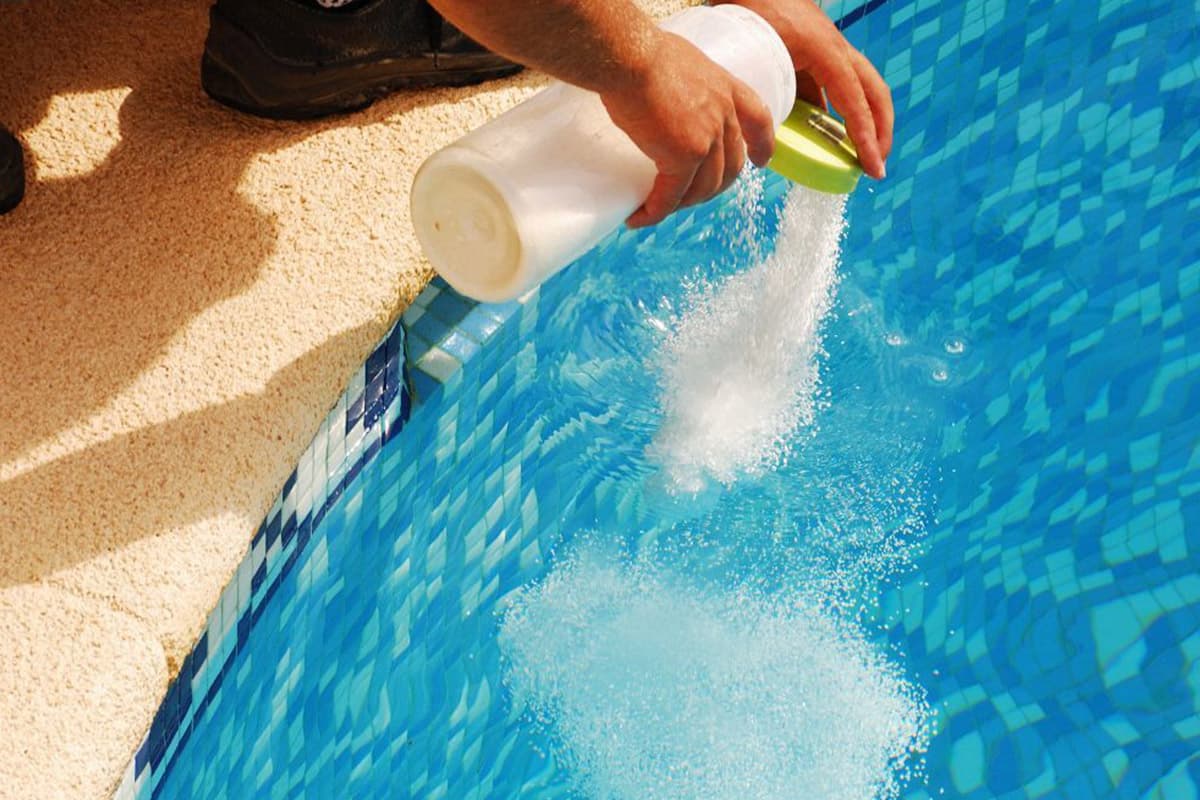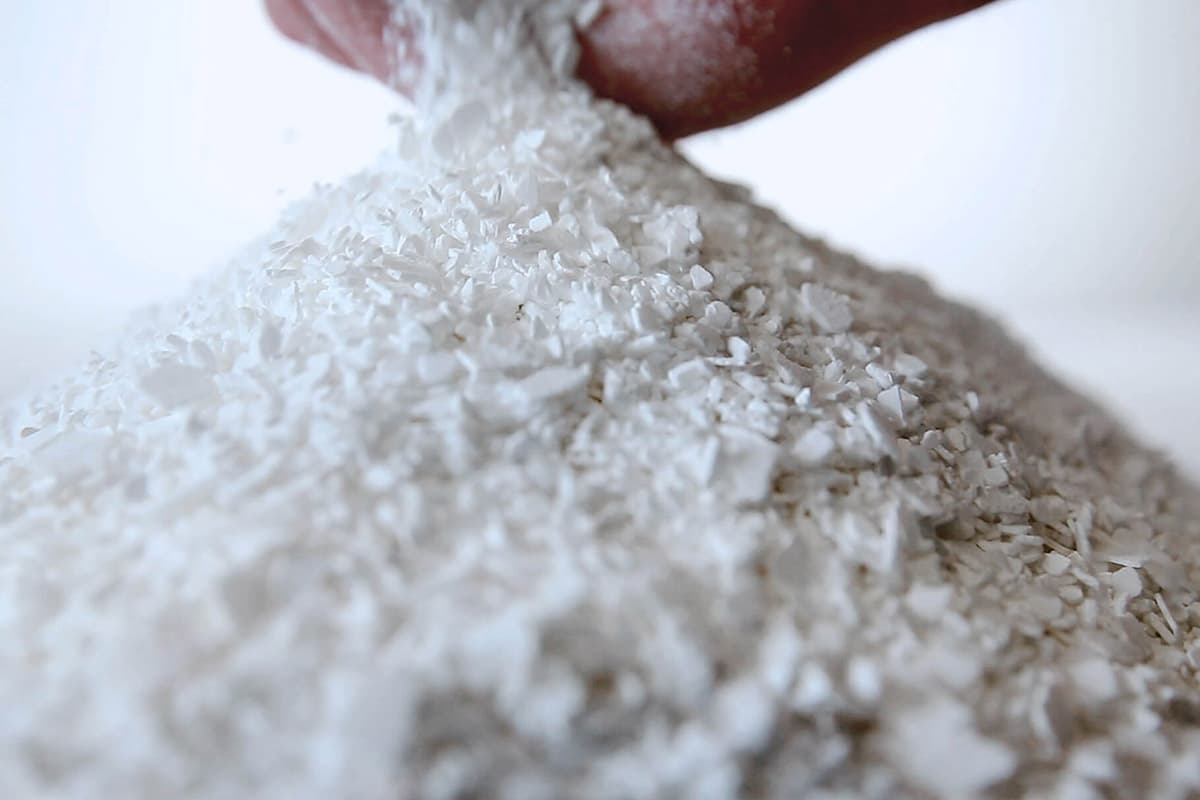
Sodium hypochlorite and calcium hypochlorite are both chlorine-release disinfectants used in municipal water treatment, swimming pools, and industrial sanitation. They achieve the same goal — free available chlorine for disinfection — but their physical form drives very different handling, storage, and logistics decisions, especially in hot climates.
The core difference
| Factor | Sodium hypochlorite | Calcium hypochlorite |
|---|---|---|
| Form | Liquid solution | Solid granules/tablets |
| Available chlorine | Typically 10–15% at dispatch | 65–70% |
| Stability | Degrades over weeks, faster in heat | Stable for long storage when kept dry |
| Dosing | Easy continuous liquid dosing | Make-up solution or erosion feeders |
| Transport efficiency | Mostly water; heavier per unit chlorine | High chlorine per kg; cheaper to ship far |
| Main hazard | Corrosive liquid; off-gassing | Strong oxidiser; keep from organics/moisture |
When sodium hypochlorite fits
- Plants with continuous liquid dosing infrastructure already in place.
- Short supply chains and high turnover, so the product is used before it degrades.
- Operations that prefer not to handle and dissolve solids.
When calcium hypochlorite fits
- Long-distance supply and hot climates where liquid bleach would lose strength in transit.
- Pools and remote sites needing stable, storable chlorine.
- Situations where transporting concentrated chlorine cost-effectively matters.
A note on Gulf logistics
For long shipments into hot regions, calcium hypochlorite's stability is a real advantage — liquid sodium hypochlorite can arrive materially weaker than it left. Where liquid is required, strength at dispatch, packaging, and transit time all need planning so the delivered concentration meets your target.
Ananta Industries supplies both, with available chlorine stated and batch-tested. Tell us your application, destination, and climate and we'll recommend the right product and packaging.