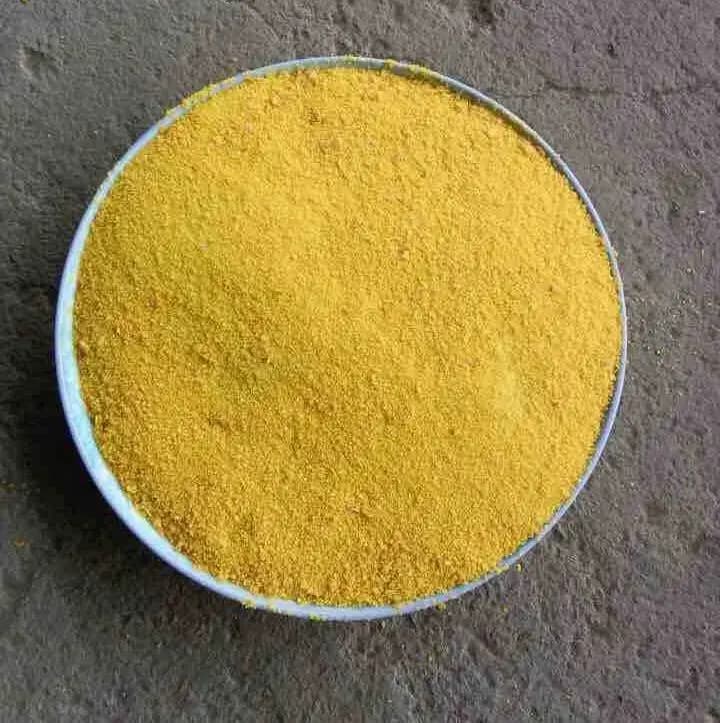
Poly aluminium chloride (PAC) and alum (aluminium sulphate) are the two most common aluminium-based coagulants in drinking water and wastewater treatment. Both destabilise suspended particles so they can flocculate and settle, but they differ enough on dose, sludge, pH impact, and cold-water performance that the right choice can move your operating cost noticeably.
How they work
Alum is a single salt that hydrolyses in water to form aluminium hydroxide flocs, consuming alkalinity as it goes. PAC is pre-hydrolysed and pre-polymerised, which means much of that chemistry has already happened before the product hits your raw water. That pre-polymerisation is the source of most of PAC's practical advantages.
Head to head
| Factor | PAC | Alum |
|---|---|---|
| Typical dose | Lower (more active aluminium per unit) | Higher |
| Effect on pH/alkalinity | Gentler; less alkalinity consumed | Larger drop; often needs lime/caustic correction |
| Cold-water performance | Strong; forms floc well at low temperature | Weaker as temperature falls |
| Floc formation | Fast, dense, fast-settling | Slower, lighter floc |
| Sludge volume | Generally lower | Generally higher |
| Cost per kg | Higher | Lower |
| Cost per treated m³ | Often competitive due to lower dose | Can rise once pH correction is included |
When PAC usually wins
- Cold raw water (winter, high-altitude, or chilled source water) where alum floc formation slows.
- Plants tight on alkalinity, where you want to avoid dosing lime or caustic to correct pH.
- Operations constrained on sludge handling and disposal cost.
- Sites needing fast settling and higher throughput from existing clarifiers.
When alum still makes sense
- Warm raw water with comfortable alkalinity, where alum performs well.
- Budgets driven by lowest delivered chemical price, with pH correction already in place.
- Established dosing regimes that already meet targets reliably.
Don't compare on FOB price alone
The mistake buyers make is comparing the per-kilogram price of the two products. What matters is cost per cubic metre treated, which folds in dose rate, pH-correction chemicals, and sludge disposal. Run a jar test on your actual raw water across the seasonal temperature range before committing — the result frequently surprises teams who assumed alum was cheaper.
Ananta Industries supplies both poly aluminium chloride and aluminium sulphate in bulk with a Certificate of Analysis against every batch. Tell us your raw-water profile and destination port and we will quote the grade that suits your plant.